
Home/
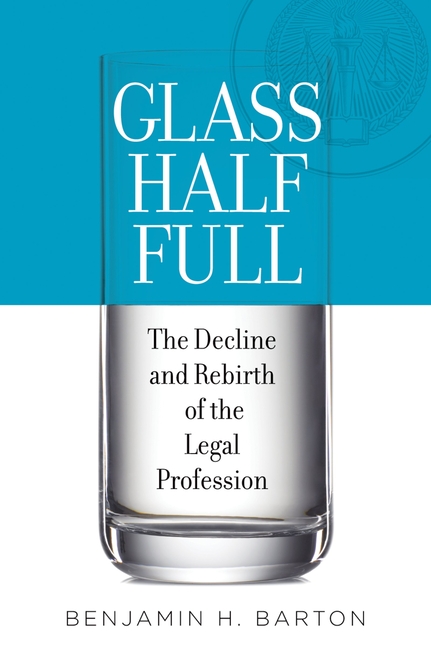
Glass Half Full: The Decline and Rebirth of the Legal Profession
Glass Half Full: The Decline and Rebirth of the Legal Profession
No customer reviews yet
ISBN 9780190205560
The hits keep coming for the American legal profession. Law schools are churning out too many graduates, depressing wages, and constricting the hiring market. Big Law firms are crumbling, as the relentless pursuit of profits corrodes their core business model. Modern technology can now handle routine legal tasks like drafting incorporation papers and wills, reducing the need to hire lawyers; tort reform and other regulations on litigation have had the same effect. As in all areas of today's economy, there are some big winners; the rest struggle to find work, or decide to leave the field altogether, which leaves fewer options for consumers who cannot afford to pay for Big Law.
It would be easy to look at these enormous challenges and see only a bleak future, but Ben Barton instead sees cause for optimism. Taking the long view, from the legal Wild West of the mid-nineteenth century to the post-lawyer bubble society of the future, he offers a close analysis of the legal market to predict how lawyerly creativity and entrepreneurialism can save the profession. In every seemingly negative development, there is an upside. The trend towards depressed wages and computerized legal work is good for middle class consumers who have not been able to afford a lawyer for years. The surfeit of law school students will correct itself as the law becomes a less attractive and lucrative profession. As Big Law shrinks, so will the pernicious influence of billable hours, which incentivize lawyers to spend as long as possible on every task, rather than seeking efficiency and economy. Lawyers will devote their time to work that is much more challenging and meaningful. None of this will happen without serious upheaval, but all of it will ultimately restore the health of the faltering profession.
A unique contribution to our understanding of the legal crisis, the unconventional wisdom of Glass Half Full gives cause for hope in what appears to be a hopeless situation.
About the author
Product details
Pub dateJun 15, 2015
ISBN-100190205563
ISBN-139780190205560
LanguageEnglish
Last updated 2026-04-28 05:35
$35.06
$42.99
18% off
You save $7.93 · list price $42.99
Only 19 left in stock — order soon
Delivery by Thursday, September 10, 2026
Sign in to Add to Saved list
Fast checkout
Pay with Apple Pay or Google Pay when available.
Payment received
We are registering your order now. Please stay on this page while we redirect you to the confirmation page.
Free delivery on orders over $35.
15-day returns. Any reason.
Secure checkout. We never store card details.
Readers who bought this also bought
More from Legal Profession