
Home/
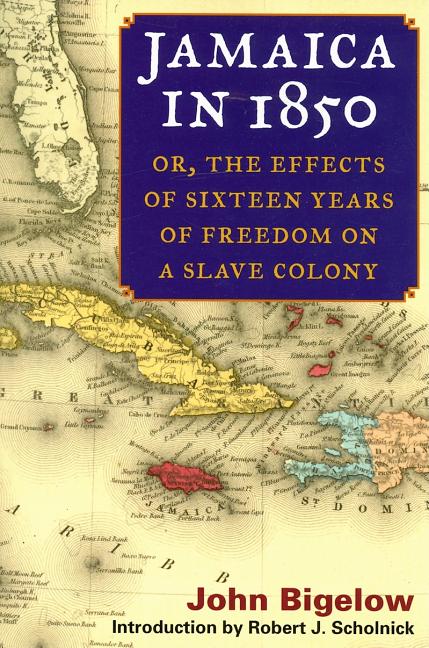
Jamaica in 1850: Or, the Effects of Sixteen Years of Freedom on a Slave Colony
Jamaica in 1850: Or, the Effects of Sixteen Years of Freedom on a Slave Colony
No customer reviews yet
ISBN 9780252073274
A reporter's firsthand portrait of formerly enslaved Jamaicans in the years after emancipation
John Bigelow's Jamaica in 1850 provided an important document in the antislavery movement in the United States and Great Britain. Jamaica's economy had collapsed after the 1838 emancipation. American supporters of enslavement used the Jamaican example to argue that abolition at home would unleash economic and social chaos. Bigelow's vivid eyewitness reporting undermined that widely held view by proving Jamaica's problems originated in the incompetence of absentee white planters and an obsolete colonial system. As Bigelow showed, many once-enslaved Jamaicans had in fact become successful small-scale landowners in the twelve years after emancipation while the large plantations languished.
About the author
Product details
Pub dateApr 25, 2006
ISBN-100252073274
ISBN-139780252073274
LanguageEnglish
Last updated 2026-04-25 11:08
$32.64
In stock soon — order now to reserve your copy
Delivery by Monday, September 14, 2026
Sign in to Add to Saved list
Fast checkout
Pay with Apple Pay or Google Pay when available.
Payment received
We are registering your order now. Please stay on this page while we redirect you to the confirmation page.
Free delivery on orders over $35.
15-day returns. Any reason.
Secure checkout. We never store card details.
Readers who bought this also bought
More from Caribbean & West Indies - General