
Home/
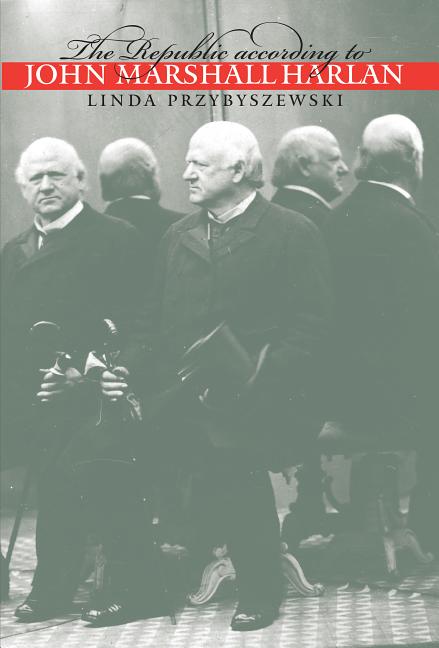
Republic according to John Marshall Harlan
Republic according to John Marshall Harlan
No customer reviews yet
ISBN 9780807847893
University of North Carolina Press
Supreme Court Justice John Marshall Harlan (1833-1911) is best known for condemning racial segregation in his dissent from Plessy v. Ferguson in 1896, when he declared, "Our Constitution is color-blind." But in other judicial decisions -- as well as in some areas of his life -- Harlan's actions directly contradicted the essence of his famous statement. Similarly, Harlan was called the people's judge for favoring income tax and antitrust laws, yet he also upheld doctrines that benefited large corporations.
Examining these and other puzzles in Harlan's judicial career, Linda Przybyszewski draws on a rich array of previously neglected sources -- including the verbatim transcripts of his 1897-98 lectures on constitutional law, his wife's 1915 memoirs, and a compilation of opinions, drawn up by Harlan himself, that he wanted republished. Her thoughtful examination demonstrates how Harlan inherited the traditions of paternalism, nationalism, and religious faith; how he reshaped these traditions in light of his experiences as a lawyer, political candidate, and judge; and how he justified the vision of the law he wrote.
An innovative combination of personal and judicial biography, this book makes an insightful contribution to American constitutional and intellectual history.
About the author
Product details
BrandUniversity of North Carolina Press
Pub dateSep 27, 1999
ISBN-100807847895
ISBN-139780807847893
Pages304
LanguageEnglish
Dimensions9.25 × 6.16 × 0.81 in
Weight1 lb
Last updated 2026-04-24 20:04
$47.03
In stock — ships in 24 hours with free tracking
Delivery by Monday, September 14, 2026
Sign in to Add to Saved list
Fast checkout
Pay with Apple Pay or Google Pay when available.
Payment received
We are registering your order now. Please stay on this page while we redirect you to the confirmation page.
Free delivery on orders over $35.
15-day returns. Any reason.
Secure checkout. We never store card details.
Readers who bought this also bought
More from Lawyers & Judges