
Home/
Nation and Citizen in the Dominican Republic, 1880-1916
Nation and Citizen in the Dominican Republic, 1880-1916
No customer reviews yet
ISBN 9780807856369
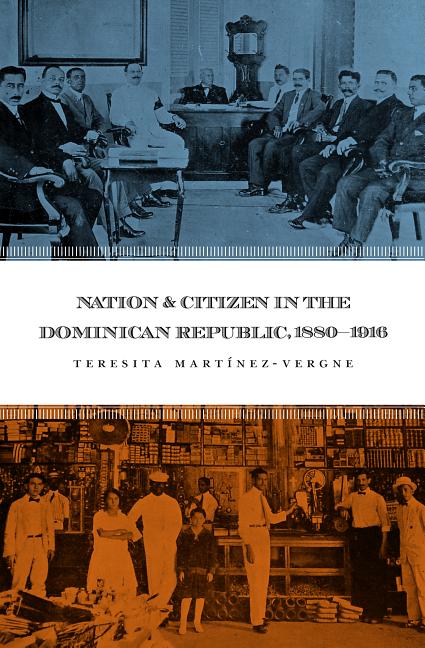
Combining intellectual and social history, Teresita Martínez-Vergne explores the processes by which people in the Dominican Republic began to hammer out a common sense of purpose and a modern national identity at the end of the nineteenth and beginning of the twentieth centuries.
Hoping to build a nation of hardworking, peaceful, voting citizens, the Dominican intelligentsia impressed on the rest of society a discourse of modernity based on secular education, private property, modern agricultural techniques, and an open political process. Black immigrants, bourgeois women, and working-class men and women in the capital city of Santo Domingo and in the booming sugar town of San Pedro de Macorís, however, formed their own surprisingly modern notions of citizenship in daily interactions with city officials.
Martínez-Vergne shows just how difficult it was to reconcile the lived realities of people of color, women, and the working poor with elite notions of citizenship, entitlement, and identity. She concludes that the urban setting, rather than defusing the impact of race, class, and gender within a collective sense of belonging, as intellectuals had envisioned, instead contributed to keeping these distinctions intact, thus limiting what could be considered Dominican.
About the author
Product details
Pub dateOct 24, 2005
ISBN-100807856363
ISBN-139780807856369
LanguageEnglish
Last updated 2026-04-25 09:34
$44.48
In stock — ships in 24 hours with free tracking
Delivery by Monday, September 14, 2026
Sign in to Add to Saved list
Fast checkout
Pay with Apple Pay or Google Pay when available.
Payment received
We are registering your order now. Please stay on this page while we redirect you to the confirmation page.
Free delivery on orders over $35.
15-day returns. Any reason.
Secure checkout. We never store card details.
Readers who bought this also bought
More from Caribbean & West Indies - General