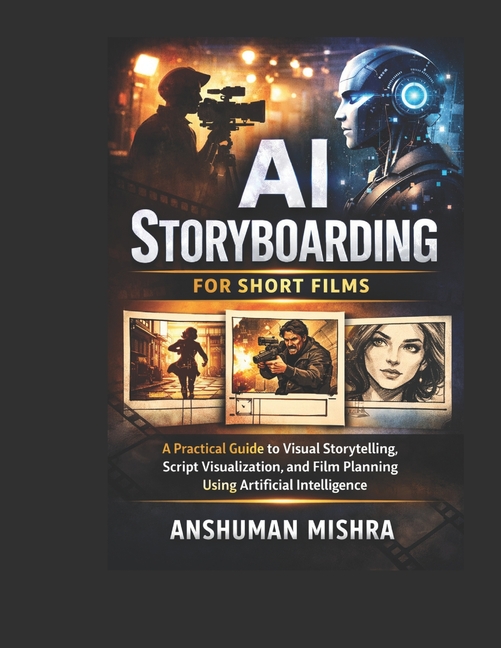
click to view more
AI Storyboarding for Short Films: A Practical Guide to Visual Storytelling Script Visualization and
by Mishra, Anshuman
$14.47
List Price: $17.99
Save: $3.52 (19%)
Fast checkout
Pay with Apple Pay or Google Pay when available.
Payment received
We are registering your order now. Please stay on this page while we redirect you to the confirmation page.
- In Stock - Ship in 24 hours with Free Online tracking.
- FREE DELIVERY by Tuesday, April 28, 2026
- Secure checkout
- 15-day returns
- 24/24 Online
- Yes High Speed
- Yes Protection
Description
AI Storyboarding for Short Films
A Practical Guide to Visual Storytelling, Script Visualization, and Film Planning Using Artificial Intelligence
In today's rapidly evolving digital world, filmmaking is no longer limited to big studios, expensive equipment, or large production teams. With the rise of artificial intelligence, the creative process has been transformed in ways that were once unimaginable. One of the most powerful applications of this transformation is in the field of storyboarding-a critical step in visual storytelling that bridges the gap between imagination and execution.
This book, AI Storyboarding for Short Films, is a comprehensive and practical guide designed to help filmmakers, students, content creators, and digital artists harness the power of artificial intelligence to create professional-quality storyboards with efficiency and creativity. Whether you are a beginner exploring filmmaking for the first time or an experienced creator looking to modernize your workflow, this book provides a step-by-step roadmap to mastering AI-powered storyboarding.
Storyboarding has always been an essential part of filmmaking. It allows creators to visualize scenes, plan camera angles, organize sequences, and communicate ideas effectively with the production team. However, traditional storyboarding methods can be time-consuming, skill-intensive, and often limited by artistic ability. This is where artificial intelligence plays a transformative role.
This book begins by introducing the fundamentals of storyboarding and visual storytelling. It explains how narratives are structured, how shots are composed, and how emotions are conveyed through visuals. Readers will gain a strong foundation in cinematic principles, ensuring that their storyboards are not only technically accurate but also emotionally impactful.
As the book progresses, it introduces the concept of artificial intelligence in filmmaking. Readers will learn how AI is being used across the media and entertainment industry, particularly in pre-production processes. The book explains complex concepts such as machine learning in a simple and easy-to-understand manner, making it accessible to readers from both technical and non-technical backgrounds.
One of the core strengths of this book is its focus on practical application. It provides detailed insights into various AI tools used for storyboarding, including text-to-image generators, script analysis platforms, and automated visualization tools. Readers will learn how to convert written scripts into visual frames, generate scene images, and maintain consistency across characters and environments using AI technologies.
The book also emphasizes the importance of script analysis. It teaches readers how to break down scripts into scenes, identify key elements such as characters and locations, and generate effective prompts for AI tools. This ensures that the output is not only visually appealing but also aligned with the narrative.
In addition to creating storyboards, the book explores advanced cinematic techniques. Readers will learn how to design shots, use camera movements, apply lighting and mood, and create depth and perspective. These techniques are essential for making storyboards that closely resemble the final film.
Another important aspect covered in this book is workflow integration. Filmmaking is a collaborative process, and this book provides guidance on how to integrate AI tools into existing workflows. It explains how to manage files, collaborate with team members, and optimize time and resources effectively.
To make learning more practical, the book includes real-world case studies and examples. These examples demonstrate how AI can be used in different types of films, including drama, action, animation, and documentary projects.
A Practical Guide to Visual Storytelling, Script Visualization, and Film Planning Using Artificial Intelligence
In today's rapidly evolving digital world, filmmaking is no longer limited to big studios, expensive equipment, or large production teams. With the rise of artificial intelligence, the creative process has been transformed in ways that were once unimaginable. One of the most powerful applications of this transformation is in the field of storyboarding-a critical step in visual storytelling that bridges the gap between imagination and execution.
This book, AI Storyboarding for Short Films, is a comprehensive and practical guide designed to help filmmakers, students, content creators, and digital artists harness the power of artificial intelligence to create professional-quality storyboards with efficiency and creativity. Whether you are a beginner exploring filmmaking for the first time or an experienced creator looking to modernize your workflow, this book provides a step-by-step roadmap to mastering AI-powered storyboarding.
Storyboarding has always been an essential part of filmmaking. It allows creators to visualize scenes, plan camera angles, organize sequences, and communicate ideas effectively with the production team. However, traditional storyboarding methods can be time-consuming, skill-intensive, and often limited by artistic ability. This is where artificial intelligence plays a transformative role.
This book begins by introducing the fundamentals of storyboarding and visual storytelling. It explains how narratives are structured, how shots are composed, and how emotions are conveyed through visuals. Readers will gain a strong foundation in cinematic principles, ensuring that their storyboards are not only technically accurate but also emotionally impactful.
As the book progresses, it introduces the concept of artificial intelligence in filmmaking. Readers will learn how AI is being used across the media and entertainment industry, particularly in pre-production processes. The book explains complex concepts such as machine learning in a simple and easy-to-understand manner, making it accessible to readers from both technical and non-technical backgrounds.
One of the core strengths of this book is its focus on practical application. It provides detailed insights into various AI tools used for storyboarding, including text-to-image generators, script analysis platforms, and automated visualization tools. Readers will learn how to convert written scripts into visual frames, generate scene images, and maintain consistency across characters and environments using AI technologies.
The book also emphasizes the importance of script analysis. It teaches readers how to break down scripts into scenes, identify key elements such as characters and locations, and generate effective prompts for AI tools. This ensures that the output is not only visually appealing but also aligned with the narrative.
In addition to creating storyboards, the book explores advanced cinematic techniques. Readers will learn how to design shots, use camera movements, apply lighting and mood, and create depth and perspective. These techniques are essential for making storyboards that closely resemble the final film.
Another important aspect covered in this book is workflow integration. Filmmaking is a collaborative process, and this book provides guidance on how to integrate AI tools into existing workflows. It explains how to manage files, collaborate with team members, and optimize time and resources effectively.
To make learning more practical, the book includes real-world case studies and examples. These examples demonstrate how AI can be used in different types of films, including drama, action, animation, and documentary projects.
Last updated on
Product Details
- Apr 13, 2026 Pub Date:
- 9798257285752 ISBN-10:
- 9798257285752 ISBN-13:
- English Language
Buyer favorite
Fast moving this week
 Chainsaw Man Box Set
$93.87
Chainsaw Man Box Set
$93.87
 National Geographic Atlas of the World, 11th Edition
$183.40
National Geographic Atlas of the World, 11th Edition
$183.40
 Invincible Compendium Volume 2
$51.64
Invincible Compendium Volume 2
$51.64
 Naruto Box Set 2: Volumes 28-48 with Premium
$128.57
Naruto Box Set 2: Volumes 28-48 with Premium
$128.57
 Diary: Divine Mercy in My Soul (Revised)
$11.61
Diary: Divine Mercy in My Soul (Revised)
$11.61
 Netter's Anatomy Flash Cards
$41.84
Netter's Anatomy Flash Cards
$41.84
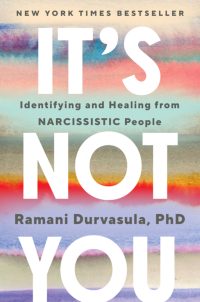 It's Not You: Identifying and Healing from Narcissistic People
$18.57
It's Not You: Identifying and Healing from Narcissistic People
$18.57
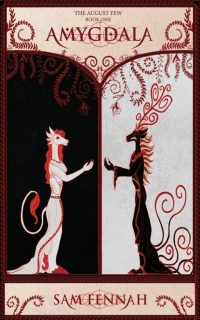 Amygdala
$49.86
Amygdala
$49.86
 Mom, I Want to Hear Your Story: A Mother's Guided Journal To Share Her Life & Her Love
$13.71
Mom, I Want to Hear Your Story: A Mother's Guided Journal To Share Her Life & Her Love
$13.71

Money Back
Love it! Use it! Reuse it!

Free Shipping
Shipping is on us

Free Support
24/24 available