
Home/
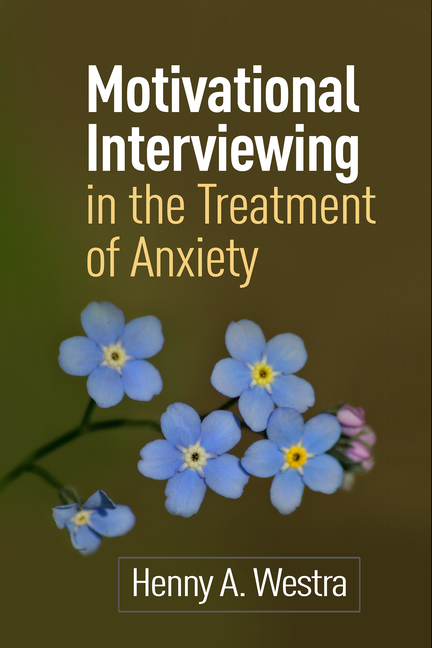
Motivational Interviewing in the Treatment of Anxiety
Motivational Interviewing in the Treatment of Anxiety
No customer reviews yet
ISBN 9781462504817
This practical book provides effective strategies for helping therapy clients with anxiety resolve ambivalence and increase their intrinsic motivation for change. The author shows how to infuse the spirit and methods of motivational interviewing (MI) into cognitive-behavioral therapy or any other anxiety-focused treatment. She describes specific ways to use MI as a pretreatment intervention or integrate it throughout the course of therapy whenever motivational impasses occur. Vivid clinical material--including a chapter-length case example of a client presenting with anxiety and depression--enhances the utility of this accessible guide.
This book is in the Applications of Motivational Interviewing series, edited by Stephen Rollnick, William R. Miller, and Theresa B. Moyers.
About the author
Product details
Pub dateJun 4, 2012
ISBN-101462504817
ISBN-139781462504817
LanguageEnglish
Last updated 2026-04-24 13:08
$56.44
In stock soon — order now to reserve your copy
Delivery by Monday, September 7, 2026
Sign in to Add to Saved list
Fast checkout
Pay with Apple Pay or Google Pay when available.
Payment received
We are registering your order now. Please stay on this page while we redirect you to the confirmation page.
Free delivery on orders over $35.
15-day returns. Any reason.
Secure checkout. We never store card details.
Readers who bought this also bought
More from Psychopathology - Anxieties & Phobias